
Available 24/7 435.277.0050
Traditional Funeral Services
Honoring life with care, meaning, and lasting memories
A traditional service often includes several meaningful moments. You can choose to include one, two, or all of these elements based on what feels right for your family.

Visitation
A Time to Gather and Remember
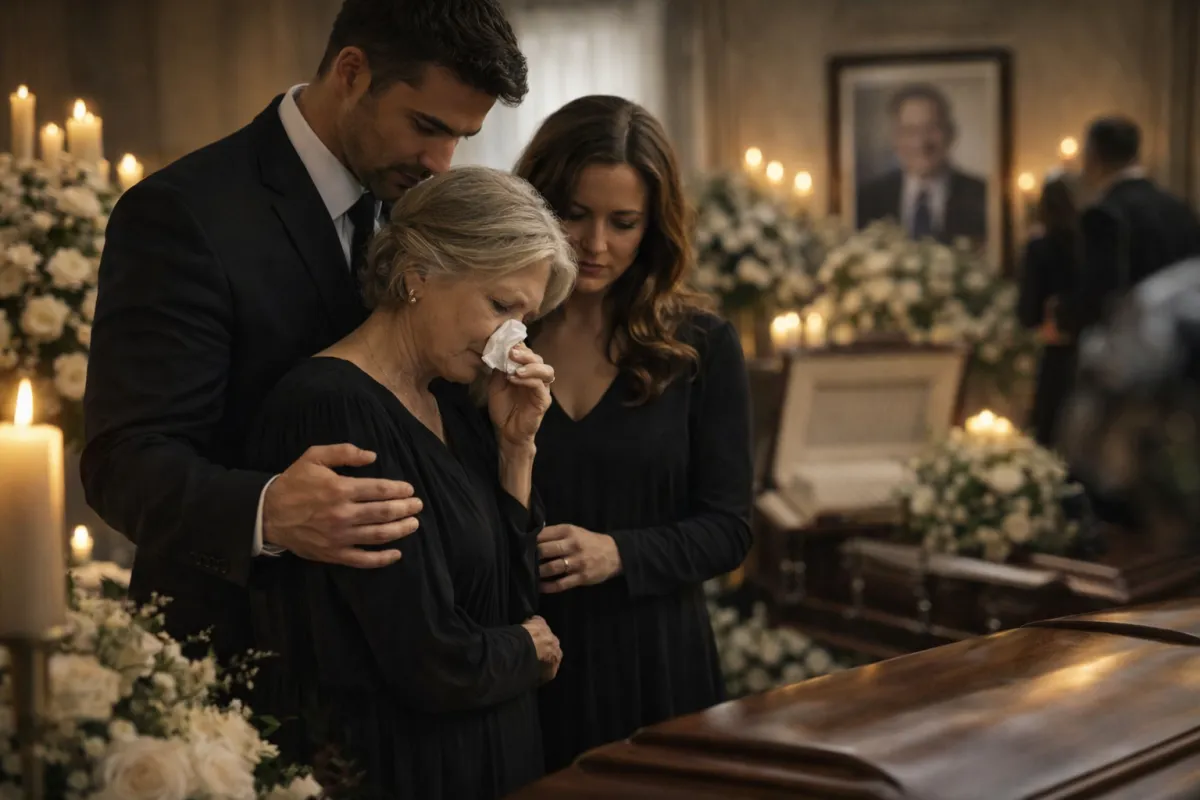
A visitation offers family and friends a chance to come together, share memories, and support one another in a comfortable and welcoming setting.
We help you create a space that reflects your loved one’s life — whether through photos, meaningful items, tribute videos, or personal touches that tell their story. This time can be as simple or as personalized as you wish.
Funeral Service
A Meaningful Tribute to a Life Lived
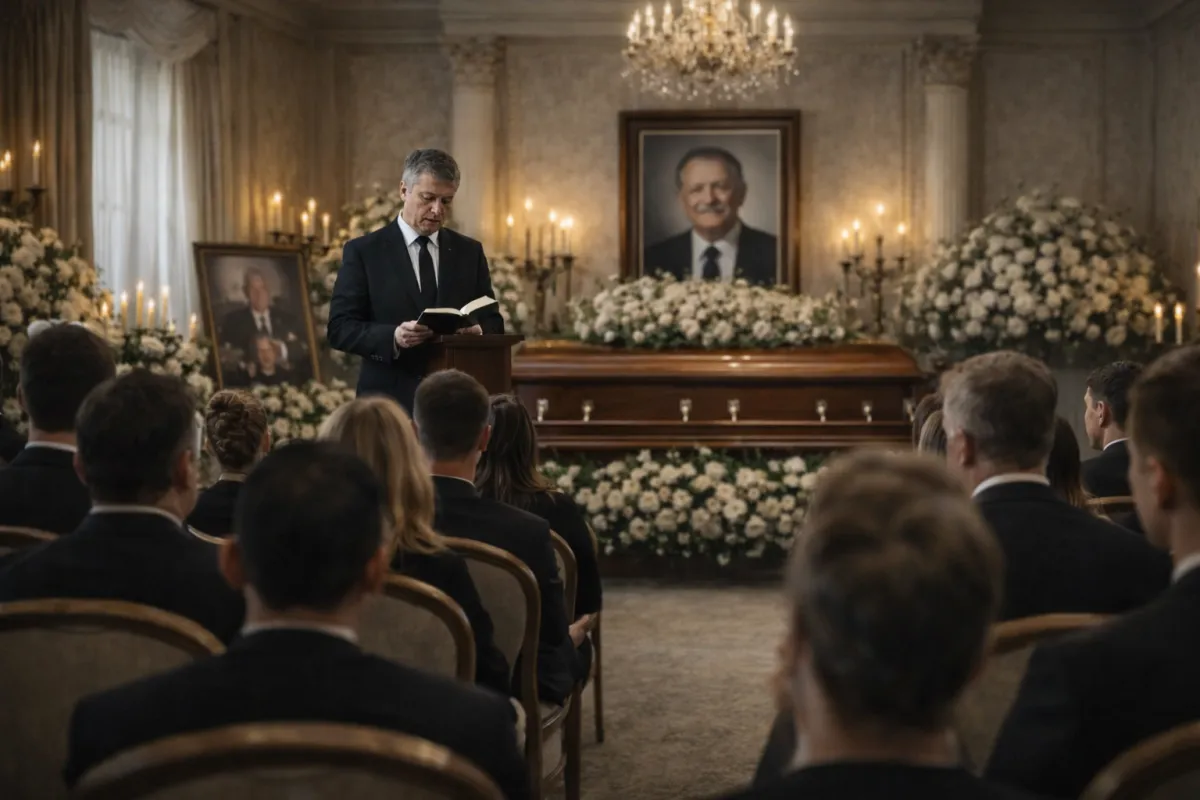
The funeral service is a time to honor, reflect, and celebrate the life of your loved one. Services can be held in a chapel, a church, or another meaningful location of your choice.
We work closely with you to create a service that feels right — incorporating music, readings, personal stories, or spiritual elements. If desired, a trained celebrant can help guide the service in a way that is thoughtful, personal, and healing.
Graveside Service
A Peaceful Final Goodbye
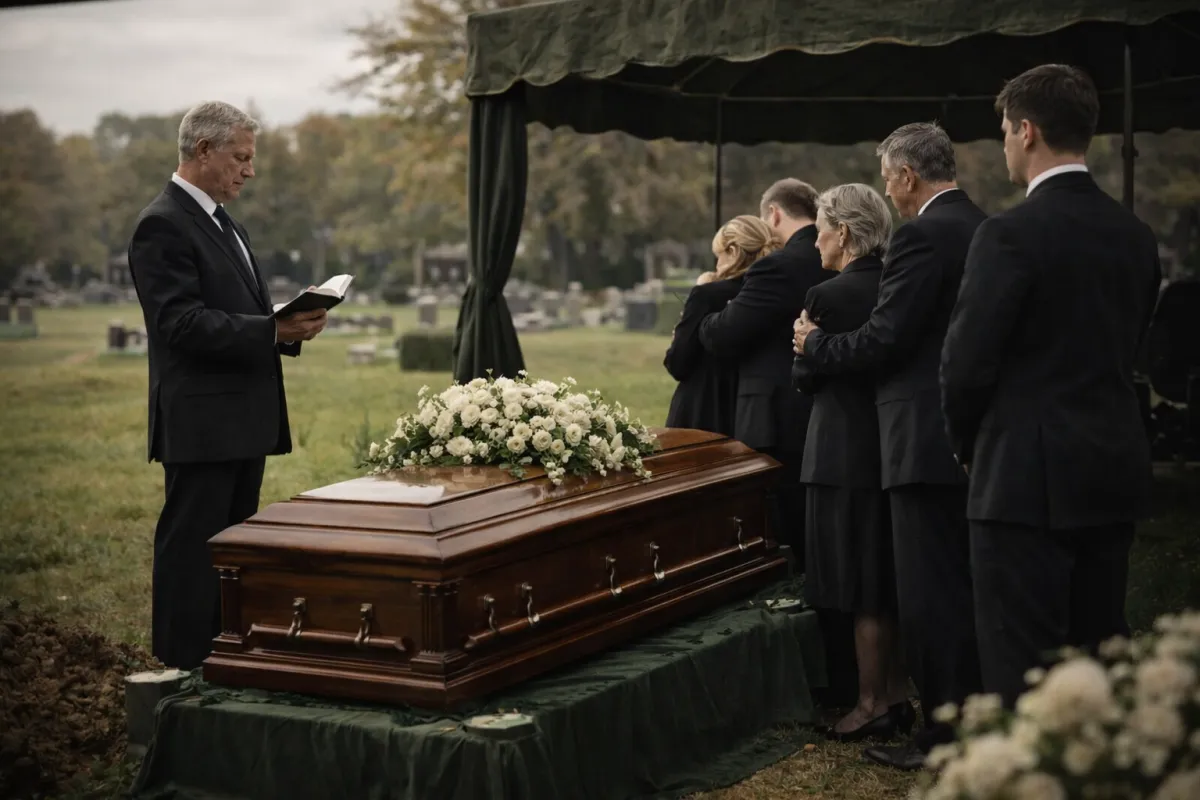
The graveside or committal service is a more intimate moment where family and close friends gather for a final farewell.
This service may follow the funeral or be held on its own, offering a quiet and meaningful opportunity to reflect, share a few words, and say goodbye in a peaceful setting.
Were Here When
You Need Us Most
Every family is different, and there is no “right” way to say goodbye. We are here to listen, guide, and support you in creating a service that feels right for you and your loved one.
If you have questions or need immediate assistance,
we are available 24/7. Call us anytime at (435) 277-0050
Frequently Asked Questions
What is included in a traditional funeral service?
A traditional funeral service often includes several meaningful moments, such as a visitation (viewing), a formal funeral ceremony, and a graveside service.
Some families choose to include all three, while others select only the elements that feel right for them. We’ll guide you through each option and help you create a service that honors your loved one in the most meaningful way.
Do we have to include all three services?
No, you do not have to include every element. Some families choose a full traditional service with visitation, funeral, and graveside, while others prefer a more simple approach.
We will help you decide what feels most appropriate based on your wishes, traditions, and circumstances.
What is the difference between a visitation and a funeral service?
A visitation is a more informal time for family and friends to gather, offer support, and say goodbye.
A funeral service is a more structured ceremony that may include readings, music, or spiritual elements to honor and celebrate your loved one’s life.
How soon do arrangements need to be made?
In most cases, arrangements are made within a few days after a passing. If a death has occurred, we are available 24/7 to guide you through the next steps and help you make arrangements without feeling rushed or overwhelmed.
Can we personalize the service?
Absolutely. Every service can be personalized to reflect your loved one’s life, values, and personality.
This may include music, photos, tribute videos, special readings, or meaningful personal touches that make the service truly unique
What happens if we’re unsure what to do?
That’s completely okay. Many families come to us feeling unsure of the next steps. Our role is to gently guide you through every decision, answer your questions, and help you create a service that feels right for you and your family.
How do we get started?
If you need immediate assistance, please call us anytime at
(435) 277-0050.
If you’d prefer, you can also request a call back and we’ll reach out to you as soon as possible to begin guiding you through the process.
Follow Us On Social Media


We’re Here to Help
Whenever You Need Us
If you need immediate assistance, please call
us anytime at (435) 277-0050. If you’d prefer, you can
fill out the form below and we’ll reach out to you shortly.
A Personal Note From the Director
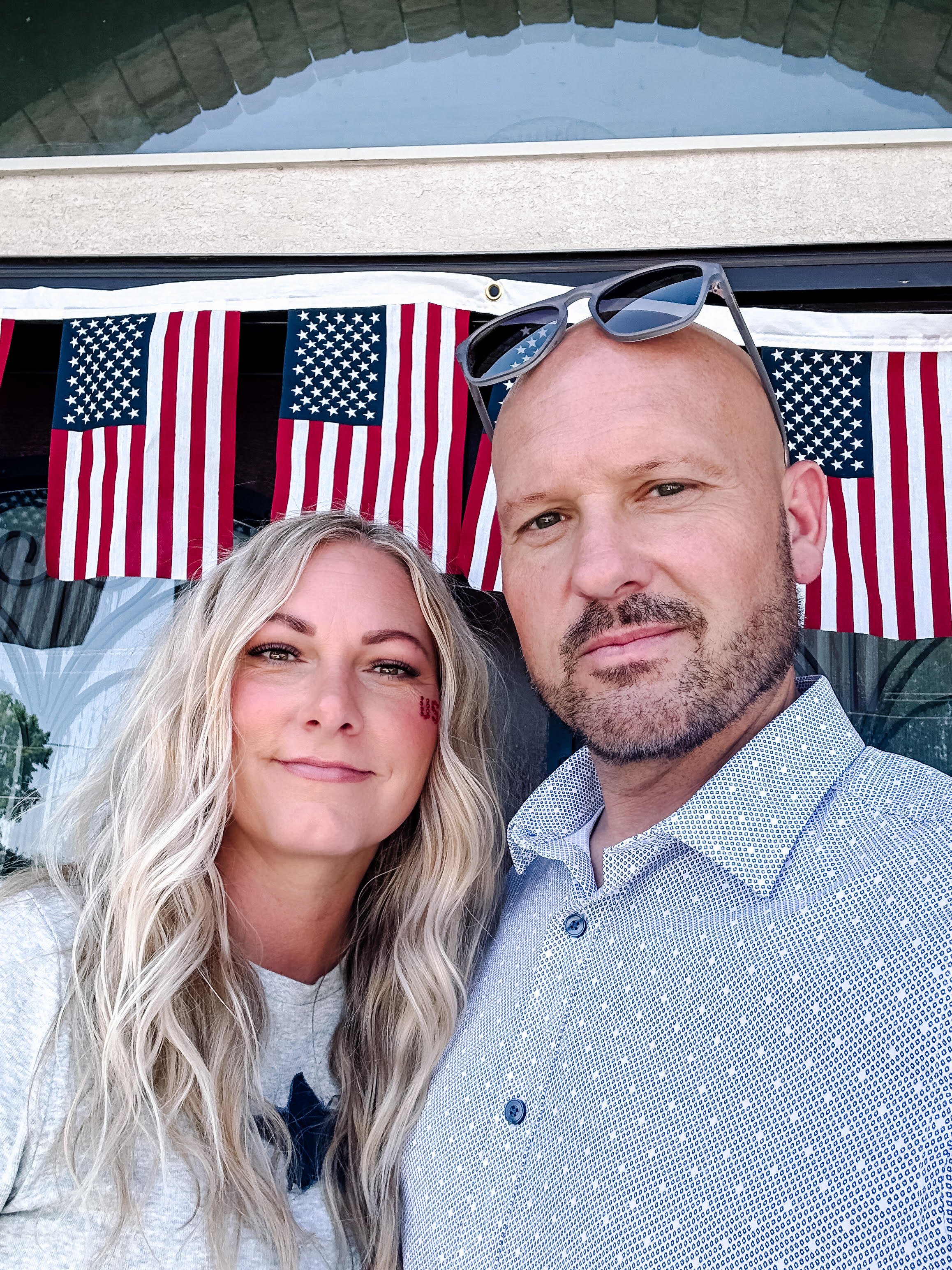
I'm Jay R. Didericksen
Being a funeral director is more than just a career to me. I am able to take care of families during, possibly, the most difficult time of their lives. The connection with the families of the community is what drew me to this work. My payoffs come daily when I run into these families again and we greet with hugs and memories.
The past three years have been a rewarding experience for Camille and I. We have gained a greater appreciation for our marriage, our children, and the relationships we share with others. I am grateful to be back in my hometown and serve the community that I know and love. I truly love what I do.
The caring and experienced professionals at Didericksen Memorial are here to support you through this difficult time. We offer a range of personalized services to suit your family’s wishes and requirements. You can count on us to help you plan a personal, lasting tribute to your loved one. And we’ll carefully guide you through the many decisions that must be made during this challenging time.
Didericksen Memorial
87 W Main St
Grantsville, UT 84029


Helpful Information
Understanding Traditional Funeral Services
Funeral Planning, Traditional Funeral Services
Understanding Traditional Funeral Services: A Gentle Guide for Families
Navigating the loss of someone you love is never easy. In the midst of grief, traditional funeral services can offer a familiar, comforting structure—a way to honor a life, gather in support, and begin to heal together. This guide walks gently through the core elements of a traditional funeral, explaining not just what happens, but why these customs can be so meaningful for families.
Why Traditional Funerals Still Matter Today
In a world where so much is changing, many families find comfort in the steady familiarity of traditional funeral services. These time-honored customs—viewings, ceremonies, processions, and burials—have supported generations through loss. They offer a shared language of care and respect at a time when words can feel hard to find.
Traditional funerals are not about formality for its own sake. At their heart, they are about connection:
Connection to the person who has died, through stories, rituals, and personal touches
Connection to family and friends, who gather to grieve and remember together
Connection to tradition, which can bring a sense of grounding and continuity in a disorienting time
While every family and every faith community has its own customs, most traditional funerals share several core components. Understanding these elements can help you make thoughtful choices that reflect your loved one’s personality, beliefs, and the needs of those left behind.
The Viewing or Visitation: A Time to Gather and Say Goodbye
For many families, the viewing or visitation is the first step in the traditional funeral process. Held at a funeral home, place of worship, or sometimes a family home, this gathering allows friends and relatives to come together in a more informal, come-and-go setting before the main ceremony.
What Typically Happens at a Viewing or Visitation
During a viewing, the casket is often present and may be open or closed, depending on the family’s wishes and cultural or religious practices. Visitors arrive, offer condolences, share memories, and spend time with the family. There may be soft music, photo displays, memory tables, or other personal touches that reflect the life of the person who has died.
A visitation can be similar, but sometimes without the body present. It might take place the evening before the funeral, or on the same day, and can last a few hours or be held in shorter sessions to accommodate different schedules and needs.
The Emotional Significance of a Viewing
It can be difficult to imagine walking into a room where your loved one’s casket is present, and it is completely natural to feel anxious about this moment. Many people, however, find that the viewing or visitation becomes a deeply meaningful part of their grieving process. It offers:
A chance to say goodbye in a more personal, unhurried way
Space to see, gently and gradually, the reality of the loss, which can help the mind and heart begin to accept what has happened
Time to listen to stories from friends, neighbors, coworkers, and others whose lives were touched by your loved one
💡 Gentle Thought: If a full viewing feels overwhelming, you might choose a shorter, private time for close family before the public visitation begins. Funeral professionals can help you shape these moments in a way that feels right for you.
The Funeral Ceremony: Honoring a Life Through Ritual and Story
The funeral ceremony is often the centerpiece of traditional services. It is the moment when family and friends come together in a shared space to remember, to reflect, and to formally honor the life that has ended. This ceremony can be religious or secular, simple or elaborate, but its purpose is always the same: to pay tribute with dignity and love.
Common Elements of a Traditional Funeral Service
Opening words or prayers: A clergy member, celebrant, or family spokesperson may begin with words of welcome, reflection, or prayer, setting a gentle tone and acknowledging the pain of loss.
Readings: These might include passages from sacred texts, poems, letters, or meaningful quotations that capture your loved one’s values and spirit.
Music: Hymns, instrumental pieces, or favorite songs can express what words alone sometimes cannot. Music has a unique way of touching the heart and bringing shared emotion into the room.
Eulogies and tributes: Family members, friends, or colleagues may share memories and stories. These personal reflections help paint a fuller picture of the person who has died—who they were, what they loved, how they made others feel.
Rituals: Depending on your traditions, this might include lighting candles, placing flowers, sharing a sign of peace, observing a moment of silence, or other symbolic acts of farewell.
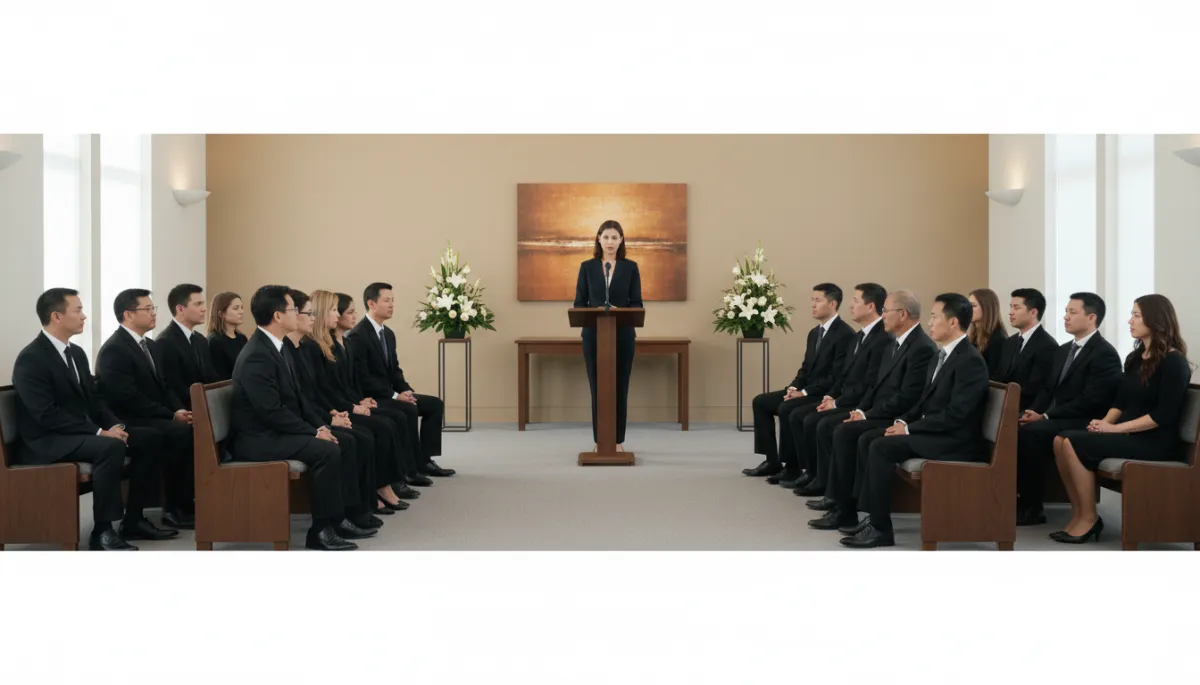
Shared stories and rituals help families honor a life and support one another in grief.
How the Ceremony Supports Healing
A meaningful funeral service does more than follow a script. It creates a safe space to feel, to remember, and to begin the long journey of living with loss. When we gather in a chapel or place of worship, we are reminded that we do not carry our grief alone. The ceremony:
Affirms that your loved one’s life had deep value and impact
Offers structure at a time when everything can feel chaotic and uncertain
Gives mourners a way to express love and grief publicly, which can be deeply validating and comforting
📌 Key Thought: There is no “right” way to feel during a funeral. Some people cry, some sit quietly, some even smile at a shared memory. All of these responses are natural. The ceremony simply holds space for whatever your heart needs in that moment.
The Procession and Burial: A Final Act of Care
After the funeral service, many traditional customs include a procession to the cemetery, followed by burial or interment. This final act of care can be one of the most poignant moments in the entire process, marking a clear transition from presence to remembrance.
The Funeral Procession
In a traditional procession, family and friends follow the hearse from the funeral location to the cemetery. This journey, sometimes accompanied by headlights or a police escort, is a visible sign of respect for the person who has died. It also symbolically represents the community walking together through this final stage of farewell.
The Graveside Service and Burial
At the graveside, there may be a shorter service with prayers, readings, or words of committal. Mourners might place flowers on the casket, participate in a ritual such as placing earth or petals into the grave, or simply stand together in quiet reflection as the casket is lowered or the urn is placed in its final resting place.
Having a specific place to visit later—a gravesite, mausoleum niche, or memorial garden—can bring comfort in the months and years to come. It offers a physical space where memories, anniversaries, and private conversations with your loved one can continue.
💡 Gentle Thought: If some family members live far away or have mobility challenges, consider how burial plans can still support their need for connection—through photos, recorded services, or future visits when they are able.
After the Service: Receptions, Rituals, and Ongoing Remembrance
Traditional funeral customs often continue beyond the burial itself. Many families host a reception or gathering afterward—at a community hall, a place of worship, a restaurant, or a family home. This time is usually more relaxed and conversational, providing a gentle transition from the formality of the service to the reality of returning home.
Sharing food: Eating together has long been a way to show care and support. Simple refreshments or a full meal can give people time to linger, talk, and remember.
Photo boards and memory tables: Guests can add notes, sign a guest book, or contribute stories that the family may treasure later.
Cultural and religious customs: Depending on your background, there may be additional days or periods of mourning, memorial services, or traditions that continue to honor your loved one over time.
These ongoing rituals remind us that grief does not end on the day of the funeral. They offer gentle signposts along the way—moments to pause, remember, and feel supported as life slowly reshapes itself around the absence of someone dear.
The Deeper Value of Traditional Funeral Customs
When you are in the middle of planning, it can sometimes feel as though there are endless decisions to make—flowers, music, readings, locations, schedules. It may help to pause and remember why these customs exist in the first place. Traditional funeral services carry a deep emotional and psychological value, even when we may not be fully aware of it in the moment.
Providing Structure in a Time of Shock
Grief can feel disorienting. Days blur together; ordinary tasks feel strangely heavy. The familiar sequence of a traditional funeral—viewing, ceremony, procession, burial, reception—gives shape to those first days after a loss. It offers a path to follow when you may not feel capable of creating one on your own.
Creating Shared Memories and Stories
Funerals are often remembered years later—not only as sad days, but as moments when love was visible in a powerful way. The people who showed up, the stories that were told, the song that made everyone smile through tears: these become part of the family’s ongoing narrative about the person who has died. Traditional customs create a framework for these memories to unfold naturally.
Honoring Beliefs, Values, and Identity
Whether rooted in faith, culture, or family tradition, the rituals you choose say something important about who your loved one was and what mattered to them. A favorite hymn, a traditional prayer, a military honor guard, or a simple reading chosen by a grandchild—each element is a way of saying, “We see you, we remember you, and we honor the life you lived.”
Supporting Long-Term Healing
Research and lived experience both suggest that taking part in meaningful rituals can help people process grief in healthier ways. Traditional funerals invite participation—through speaking, singing, praying, or simply showing up. This active involvement can help mourners move from feeling stunned and helpless toward a sense of having done something loving and important for the person they have lost.
Personalizing a Traditional Funeral to Reflect Your Loved One
“Traditional” does not have to mean “impersonal” or “the same as everyone else.” Within the familiar structure of a viewing, ceremony, and burial, there is plenty of room to weave in details that reflect your loved one’s unique story. That might include:
Displaying cherished items—such as a favorite hat, a quilt they made, or mementos from travels—near the casket or urn
Creating a slideshow of photos set to music they loved
Inviting grandchildren or close friends to share a brief memory or reading during the service
Choosing flowers, colors, or themes that reflect their personality—maybe garden blooms for an avid gardener, or simple greenery for someone who preferred a more understated style
Many families appreciate working with experienced professionals who can gently guide them through these options. Resources such as traditional funeral services planning guides can help you understand what is possible and how to shape a service that feels both respectful and deeply personal.
💡 Gentle Thought: You do not need to do everything, and you do not need to do it perfectly. Even one or two heartfelt touches can make a traditional funeral feel truly “theirs.”
Giving Yourself Permission to Lean on Tradition
In recent years, there has been growing interest in alternative and highly personalized approaches to saying goodbye. While these can be beautiful, it’s also perfectly okay to choose a more traditional path. Leaning on established customs does not make your grief any less real or your love any less deep. For many families, tradition is exactly what they need: a trusted framework that holds them up when they feel most fragile.
If you are feeling uncertain, overwhelmed, or worried about “getting it right,” know that you are not alone. Funeral directors, clergy, celebrants, and support staff walk alongside grieving families every day. They understand the weight of the decisions you are making and can offer gentle guidance, practical help, and reassurance at each step.
A Final Word of Comfort
Planning a traditional funeral in the midst of loss is an act of profound love. Each decision you make—whether about the visitation, the ceremony, the burial, or the smallest personal detail—is a way of saying, “Your life mattered. You are worth honoring. We will remember you.”
There will be moments that feel heavy, and there may also be unexpected moments of warmth: a story that makes everyone laugh, a familiar song that brings a sense of peace, a quiet hug from someone you have not seen in years. Traditional funeral services create room for all of this—the sorrow, the gratitude, the love that continues even after goodbye.
Whatever choices you make, be gentle with yourself. There is no single “perfect” way to honor a life, only the sincere intention to do so with respect and care. Tradition can be a steady hand to hold as you take these first steps through grief, one day, one ritual, and one loving memory at a time.