How to Choose a Headstone That Honors a Life
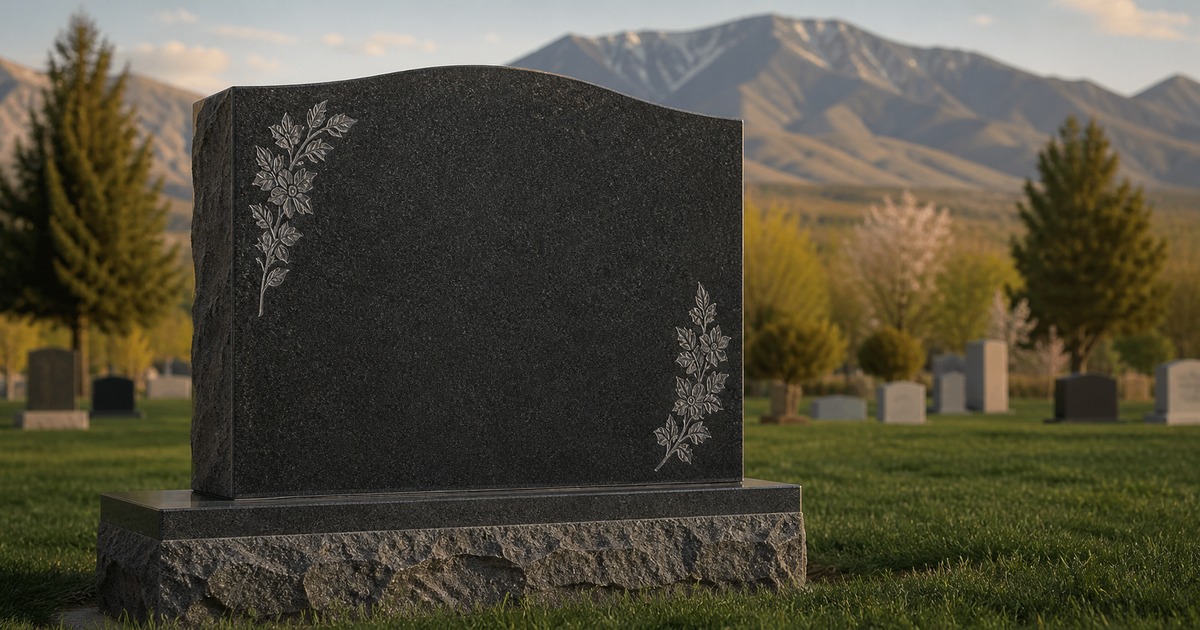
Choosing a headstone begins with cemetery requirements, then moves to memorial type, granite color, inscription, artwork, and the details that best reflect the person being remembered.

Choosing a headstone begins with cemetery requirements, then moves to memorial type, granite color, inscription, artwork, and the details that best reflect the person being remembered.

Families in Tooele can begin with one calm call, clarify whether burial or cremation is preferred, and let a local funeral director separate immediate requirements from choices that can wait.

A burial plot is a designated place for interment in a cemetery. What a family acquires is commonly an interment right governed by the cemetery's deed, rules, and applicable law, not unrestricted ownership like ordinary real estate. The cemetery controls records, maintenance standards, opening procedures, and permitted memorials.

Families in Grantsville can receive local help with immediate calls, transfer coordination, funeral or cremation planning, obituary information, cemetery communication, veteran honors, and grief resources. Didericksen Memorial is located at 87 W Main St in Grantsville and is available 24/7 at (435) 277-0050.

A practical question guide for families comparing funeral homes in Grantsville, Tooele, Stansbury Park, and nearby Utah communities.

Write family relationships in an obituary using accurate names and language the family recognizes. Decide who should be named individually, which groups can be summarized, how to describe blended or chosen family, and whether sensitive or estranged relationships should remain private. Respect and clarity matter more than following one rigid formula.

An obituary should be long enough to share essential facts, service information, family relationships, and a recognizable portrait of the person's life. There is no universal word count. A focused obituary of several clear paragraphs is often more useful than either a very brief notice or an exhaustive biography.

A useful obituary includes the person's full name, age, date of death, important family relationships, a concise life story, and accurate service information. Personal details such as values, hobbies, community involvement, or a familiar story can make the notice feel like the individual rather than a form.

Families request military funeral honors through the funeral director, not by waiting for an automatic assignment. Provide the veteran's discharge record, confirm the service date and location, and allow time for coordination with the appropriate military branch. Current federal eligibility and documentation rules apply.

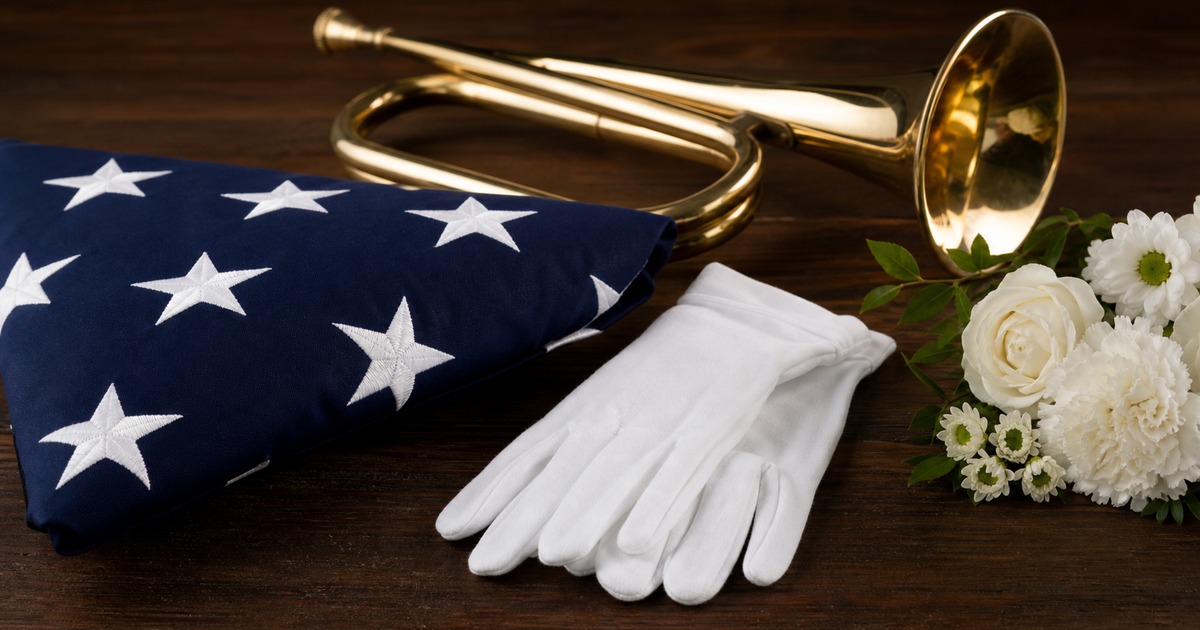
Eligible veterans may receive a military funeral honors ceremony that includes folding and presenting the United States flag and the playing of Taps. At least two uniformed service members participate, and at least one represents the veteran's branch. Additional elements depend on eligibility, resources, and current military policy.

Funeral planning in Grantsville, Utah requires understanding local customs, costs, and available services to honor your loved one appropriately.

Avoid words that explain the death, compare grief, demand strength, or impose a timeline. Phrases beginning with 'at least,' claims that everything happens for a reason, and assurances that you know exactly how someone feels may unintentionally minimize the person's experience. Simple acknowledgment and listening are usually more supportive.

Support often becomes most valuable after the funeral, when visitors and messages begin to slow. Continue checking in, offer specific practical help, remember difficult dates, listen without trying to correct grief, and respect whether your friend wants conversation, company, or space.

After a funeral, grief may feel quieter, heavier, less predictable, or more practical. Support often decreases just as the family begins returning to ordinary routines. There is no required emotional sequence, and people may experience sadness, numbness, relief, anger, fatigue, or moments of normalcy in changing combinations.

A compassionate guide to words and actions that can help when someone you care about is grieving a death.

A funeral pre-planning checklist can record your preferred form of disposition, type of gathering, faith or cultural traditions, family contacts, cemetery information, military records, obituary notes, and the location of important documents. It should also identify which choices you want family members to make later.

There is no required age or life event for funeral pre-planning. A useful time is whenever you want to make preferences clearer, organize information, or reduce uncertainty for family. Many people begin after retirement, a health change, estate planning, a move, or the death of someone close, but planning can begin at any adult age.

A pre-planning conversation is easier when it begins with care rather than urgency. Choose a quiet time, explain that you want to reduce uncertainty, share a few broad preferences, and invite questions. The goal is understanding, not forcing everyone to make every decision in one sitting.

A practical guide to what families can document during funeral pre-planning and how Didericksen Memorial helps make the process calm and clear.

The cremation process begins with identification, required authorization, completion of death documentation, and any required medical examiner review. The person is then placed in an appropriate container and cremated individually. After cooling, remaining bone fragments are processed into the material returned to the authorized recipient.

Direct cremation generally means cremation occurs without a formal ceremony beforehand. Cremation with a memorial service includes a gathering before or after cremation. The difference is the ceremony and timing, not the dignity of the care or the family's ability to remember the person.

Yes. Choosing cremation does not prevent a family from having a viewing, visitation, or funeral beforehand. The funeral home can coordinate preparation, timing, authorization, the ceremony, and cremation so the family can gather in the way that feels meaningful.

A funeral visitation is a scheduled time before the funeral or memorial when family and friends gather, offer condolences, view photographs or keepsakes, and sometimes see the person who died. It is usually less structured than the ceremony and gives guests time for brief personal support.

A funeral can feel personal without adding dozens of decisions. Choose two or three details that reflect the person's life, such as a favorite song, a photo display, a meaningful reading, a familiar object, or one story that captures their character. Let the rest of the service remain simple and well coordinated.

A funeral usually takes place with the person who died present, often before burial or cremation. A memorial service is generally held without the body present and may take place days, weeks, or later. Both can include music, readings, faith traditions, eulogies, photographs, and meaningful time with family and friends.

During the first 24 hours after a death, notify the appropriate medical or emergency professional, call the funeral home after authorization, identify one family contact, secure the person's home and dependents, and gather only the information needed for the next conversation. Most ceremony decisions can wait.

After you call a funeral home, the funeral director gathers essential information, confirms which professionals are involved, coordinates authorized transfer, and schedules an arrangement conversation. You are not expected to plan the entire service during the first call.

When someone dies in a hospital, hospital staff confirm the death, notify the appropriate physician, and guide the family through the hospital's release procedures. The family can then select a funeral home and authorize coordination. You do not need to make every funeral decision before calling Didericksen Memorial.

Learn how to write an obituary that shares essential details, honors a loved one's life, and gives family and friends clear service information.

A thoughtful comparison of cremation and burial to help families choose an option that reflects their loved one's wishes, beliefs, and legacy.

A calm, practical guide to the first calls, official procedures, and next steps after someone dies at home in Utah.

Learn how traditional funeral services provide structure, comfort, and meaningful ways for families to honor a loved one.